Unraveling the Origins: Are Horse Chestnuts Native to America?
The majestic horse chestnut, with its distinctive palmate leaves and spiky, inedible fruits, is a familiar sight in parks and avenues across many parts of the world. But for those pondering their roots, a crucial question often arises: Kommen Rosskastanien Aus Amerika? Or, are horse chestnuts native to America? The answer, like the tree itself, is wonderfully diverse and spans continents, revealing a fascinating global lineage.
While the immediate thought of "horse chestnut" might conjure images of the grand trees lining European boulevards, the botanical truth is more intricate. The genus Aesculus, encompassing all horse chestnuts and buckeyes, is indeed native to North America, Europe, and Asia. This means that while some species proudly hail from American soil, others have distinct Old World origins. It's a common misconception that all horse chestnuts are a European import; in reality, America boasts a rich variety of indigenous species, often referred to as buckeyes.
Let's delve deeper into the global family tree of these remarkable plants and clarify their fascinating geographical spread.
The Global Family of Horse Chestnuts (Aesculus)
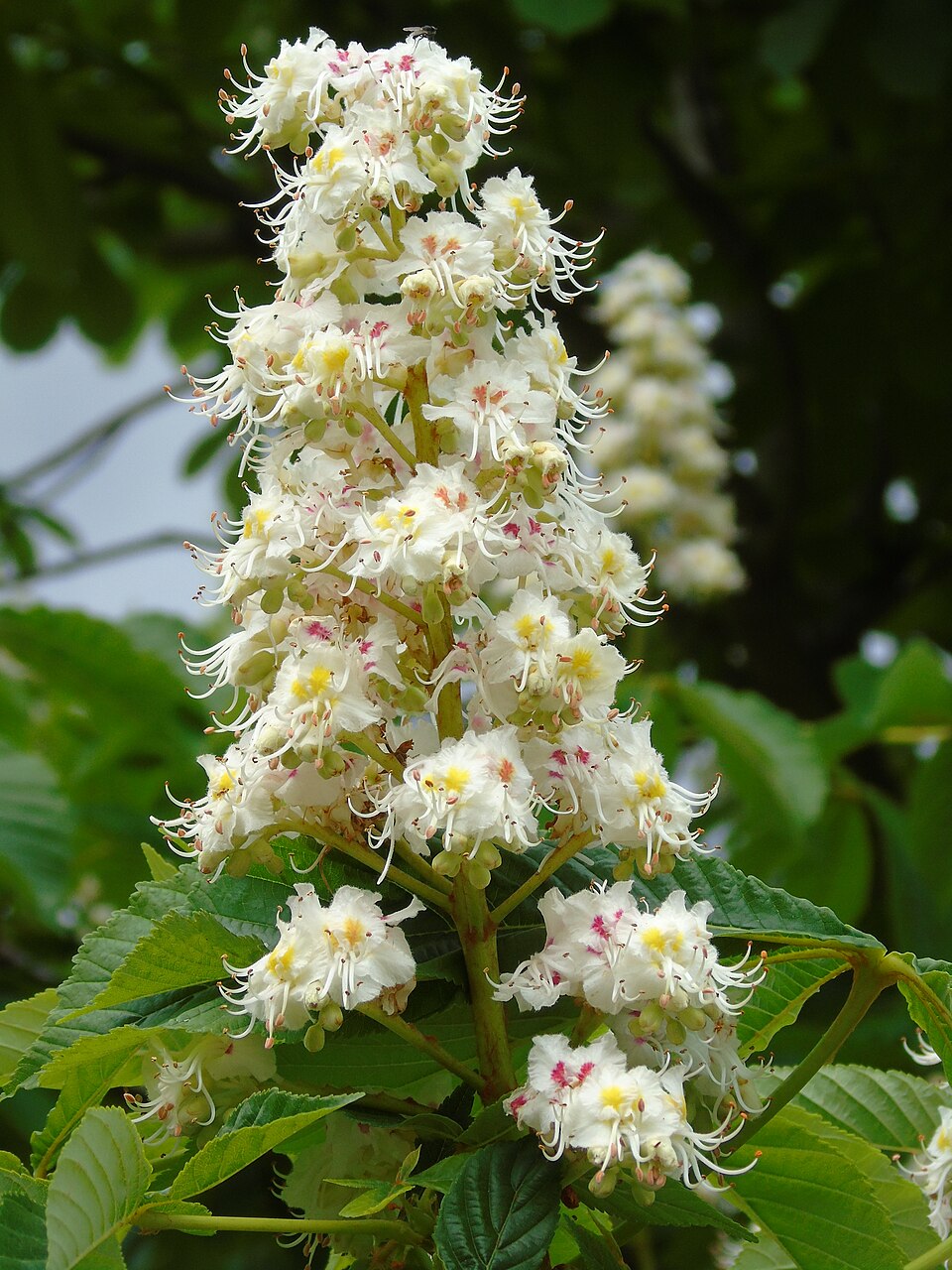
The genus Aesculus belongs to the family Sapindaceae (soapberry family) and comprises approximately 15 distinct species. These deciduous trees and shrubs are characterized by their showy flowers, typically arranged in large, upright clusters known as thyrses, and their unique capsular fruits that encase smooth, shiny seeds. The reference context correctly notes that these fruits are generally inedible for humans, a crucial distinction we'll explore further.
A Continent-Spanning Presence
The distribution of Aesculus species is genuinely global, with representatives found in temperate regions across three major continents:
- North America: This continent is a hotspot for Aesculus diversity, hosting numerous native species commonly known as buckeyes. From the vibrant spring blooms of the Red Buckeye to the stately presence of the Ohio Buckeye, these trees are an integral part of American ecosystems.
- Europe: The most famous European representative is the Common Horse Chestnut (Aesculus hippocastanum), which is native to a small mountainous region in the Balkans but has been widely cultivated and naturalized across Europe and beyond.
- Asia: Several species also call East Asia home, particularly in regions of China and Japan, further showcasing the genus's wide geographical reach.
Therefore, to answer the query, "Kommen Rosskastanien Aus Amerika?", it's a resounding yes for many species. However, not all horse chestnuts you encounter in America are native to its shores.
North American Native Buckeyes: America's Own Horse Chestnuts
North America is home to several distinct Aesculus species, affectionately known as buckeyes due to their shiny, dark brown seeds with a lighter "eye" spot, reminiscent of a deer's eye. These buckeyes are undoubtedly native to the continent and thrive in various climates and soil conditions. They are vital components of their respective ecosystems, providing food for wildlife and adding significant aesthetic value to the landscape.
Here are some prominent native North American species:
- Ohio Buckeye (Aesculus glabra): A medium-sized tree native to the Midwestern United States, particularly Ohio (hence its name), parts of the Great Plains, and Appalachia. It's known for its relatively early spring foliage and slightly pungent scent when its leaves are crushed. Its seeds are the symbolic "buckeye" of Ohio.
- Red Buckeye (Aesculus pavia): Native to the southeastern and south-central United States, this smaller tree or large shrub is celebrated for its striking red flowers, which are highly attractive to hummingbirds. It's a beautiful ornamental plant often used in landscaping within its native range.
- Yellow Buckeye (Aesculus flava): The tallest of the native buckeyes, this species can reach impressive heights and is found in the Appalachian Mountains and surrounding areas. It produces attractive yellow flowers and has smoother bark than the Ohio Buckeye.
- Painted Buckeye (Aesculus sylvatica): Found in the southeastern U.S., this buckeye offers variable flower colors, ranging from yellow to pinkish-red, often with a yellow or pink blotch.
These native species demonstrate the rich diversity of the Aesculus genus within North America. They adapted to different regional climates and ecological niches long before European settlers introduced their own version of the horse chestnut. To learn more about the specific characteristics and distribution of these and other species, you might be interested in exploring Horse Chestnut Species: Diversity Across North America and Beyond.
The European Horse Chestnut: A Non-Native Favorite
While America has its native buckeyes, the tree most commonly recognized as "horse chestnut" in many parts of the world, Aesculus hippocastanum, is not indigenous to the Americas. Its natural range is restricted to a small area in the Balkan Peninsula, primarily in parts of Greece, Albania, and Bulgaria. However, its grand stature, dense shade, and beautiful flowers made it a highly desirable ornamental tree. It was introduced to Western Europe in the 16th century and subsequently brought to North America for landscaping purposes.
Today, the European Horse Chestnut is widely planted in cities and parks across the United States and Canada, often thriving and even naturalizing in certain areas. This extensive cultivation outside its native range is what often leads to the confusion about whether horse chestnuts are native to America. They are present in America, but not all of them originate from America.
Distinguishing Horse Chestnuts from Sweet Chestnuts: Toxicity and Edibility
A crucial point of clarity, often overlooked, is the difference between "horse chestnuts" (genus Aesculus) and "sweet chestnuts" (genus Castanea). Despite sharing the "chestnut" name, they belong to entirely different plant families and have distinct characteristics, especially regarding edibility.
- Horse Chestnuts (Aesculus): As stated in the reference context, their fruits are "für den Menschen ungenießbar" (inedible for humans). The seeds contain compounds like aescin, which are toxic when ingested in significant amounts, causing gastrointestinal distress, neurological symptoms, and even paralysis. While some wildlife might consume them, they are dangerous for human consumption. Interestingly, aescin extracted from horse chestnuts is used medicinally, particularly in treatments for venous insufficiency, but this is a highly processed and purified form.
- Sweet Chestnuts (Castanea): These are members of the beech family (Fagaceae) and produce delicious, edible nuts that are a popular culinary delight, especially in autumn. Their fruits are typically encased in a much spikier burr than horse chestnuts, and the leaves are simple, toothed, and not palmate. The American Chestnut (Castanea dentata), before being decimated by blight, was once a dominant forest tree in eastern North America.
Understanding this distinction is vital for safety, particularly for those foraging or simply curious about identifying trees. Always err on the side of caution and never consume fruits from a horse chestnut tree.
Ecological Value and Cultivation Tips
Beyond their origins and edibility, horse chestnuts and buckeyes offer significant ecological and aesthetic benefits. They provide valuable shade, especially the larger species, making them excellent choices for parks and large gardens. Their showy flowers are a source of nectar and pollen for various pollinators, including bees and hummingbirds (particularly the red buckeye).
Cultivation and Care:
- Soil and Sun: Most Aesculus species prefer well-drained soil and full sun to partial shade. They generally tolerate a range of soil types but thrive in rich, moist conditions.
- Pest and Disease: Horse chestnuts can be susceptible to certain pests and diseases, such as leaf blotch and powdery mildew, which can affect their aesthetic appeal, especially the European Horse Chestnut. Native buckeyes often exhibit better resistance to local issues.
- Planting: When planting, ensure adequate space for growth, as many species can become quite large. Consider the mature size of the tree and its eventual canopy spread.
- Toxicity Awareness: If planting in areas accessible to children or pets, be mindful of the toxic nature of the fruits, leaves, and bark. Educate curious individuals about the dangers of ingestion.
The global journey of the horse chestnut, with species native to North America, Europe, and Asia, is a testament to botanical diversity and human introduction. For a deeper dive into their worldwide presence, check out Horse Chestnuts: Native to North America, Europe, and Asia.
Conclusion: A Tale of Global and Local Roots
So, Kommen Rosskastanien Aus Amerika? The definitive answer is nuanced: yes, several species of horse chestnuts, known as buckeyes, are indeed native to North America. These indigenous trees are a testament to the continent's rich biodiversity. However, the widely recognized Common Horse Chestnut (Aesculus hippocastanum) is native to Europe and was introduced to America for its ornamental qualities. This fascinating duality highlights how both natural evolution and human activity have shaped the distribution of this magnificent genus across the globe. Whether native buckeye or introduced horse chestnut, these trees continue to be cherished for their beauty and ecological contributions, enriching landscapes from American woodlands to European avenues.