Horse Chestnut Species: Diversity Across North America and Beyond
The question, "Kommen Rosskastanien Aus Amerika?" – or "Do Horse Chestnuts Come From America?" – is a common point of confusion, and the answer is more nuanced than a simple yes or no. While the iconic Common Horse Chestnut (*Aesculus hippocastanum*) is indeed a European native, North America boasts its own rich and diverse array of related species, collectively known as Buckeyes. These fascinating trees and shrubs, all members of the *Aesculus* genus within the Soapberry family (Sapindaceae), showcase a remarkable botanical heritage spanning three continents. Understanding their geographical origins and distinctive characteristics helps us appreciate the true global tapestry of these magnificent plants.
The Global Origins of Horse Chestnuts (Aesculus)
The *Aesculus* genus comprises roughly 15 species of deciduous trees and shrubs, broadly distributed across temperate regions of North America, Europe, and Asia. Historically, these plants were often placed in their own family, Hippocastanaceae, alongside the tropical American genus *Billia*. However, modern botanical classification, based on genetic analysis, has reclassified them under the broader Sapindaceae family, which also includes maples and lychees.
Distinguishing between the "Horse Chestnut" and "Buckeye" is key to answering the question of their American origins. The term "Horse Chestnut" most commonly refers to *Aesculus hippocastanum*, a species unequivocally native to the Balkan Peninsula in Southeastern Europe. Its prevalence in parks and avenues across the globe often leads to the mistaken belief that it originates everywhere it grows. In contrast, the various *Aesculus* species native to North America are almost exclusively known as "Buckeyes," a nod to their shiny, dark brown seeds with a lighter "eye" patch, reminiscent of a deer's eye. So, to directly address "Kommen Rosskastanien Aus Amerika," we can say that while the *European* Horse Chestnut does not, many distinct and beautiful *Aesculus* species – the Buckeyes – certainly do. For a deeper dive into their global spread, explore
Horse Chestnuts: Native to North America, Europe, and Asia.
North America's Native Buckeyes: A Rich Tapestry
North America is a significant center of diversity for the *Aesculus* genus, hosting numerous native species, each with unique attributes. These Buckeyes thrive in various ecological niches, from moist forest understories to arid mountain slopes, contributing significantly to local ecosystems and landscapes.
1.
Ohio Buckeye (*Aesculus glabra*): This species is arguably the most famous American buckeye, especially in its namesake state where it holds the title of state tree. Growing up to 50-70 feet tall, it features distinctive palmate leaves with five leaflets and greenish-yellow flowers borne in upright clusters (thyrses). Its fruits are typically moderately spiny and contain a single, characteristic "buckeye" seed. Ohio Buckeyes are often found in moist, rich soils along streams and in bottomland forests, particularly in the Ohio River Valley and parts of the Midwest.
2.
Red Buckeye (*Aesculus pavia*): A smaller tree or large shrub, the Red Buckeye is celebrated for its showy, bright red flowers, which are a magnet for hummingbirds in spring. Native to the southeastern United States, it prefers well-drained soils and partial shade, often forming an attractive understory plant. Its fruits are smooth and contain one or two seeds.
3.
Yellow Buckeye (*Aesculus flava* or *Aesculus octandra*): As its name suggests, this species boasts striking yellow flowers. It is the largest of the American buckeyes, capable of reaching heights of 90 feet or more, and is often found in the Appalachian Mountains and surrounding areas. Its bark is smooth when young, becoming furrowed with age, and its fruits are smooth, pear-shaped capsules.
4.
Painted Buckeye (*Aesculus sylvatica*): This medium-sized shrub or small tree, found in the southeastern U.S., is known for its often multi-colored flowers, which can display shades of yellow, pink, or cream, sometimes with a reddish tinge. Its fruits are typically smooth.
5.
California Buckeye (*Aesculus californica*): A unique species adapted to the dry summers of California, this buckeye is often shrubby or a small tree. It features creamy white to pale pink flowers and has an unusual deciduous habit, often dropping its leaves in mid-summer to conserve water. Its pear-shaped fruits are smooth.
It's crucial to remember that while the seeds of all *Aesculus* species are visually appealing, they are toxic to humans and most livestock due to compounds like aescin. These fruits, enclosed in green, more or less spiny capsules, are generally unpalatable and should not be consumed. For more information on the specific native status of these fascinating trees, refer to
Are Horse Chestnuts Native to America? Global Origins Revealed.
European and Asian Counterparts: Beyond the Atlantic
While North America provides a home for numerous Buckeye species, the most globally recognized member of the genus, the Common Horse Chestnut (*Aesculus hippocastanum*), hails from a different continent. This majestic tree is native to a relatively small area of the Balkan Peninsula in Southeastern Europe, including parts of Albania, Bulgaria, Greece, and North Macedonia. From this original habitat, it has been widely cultivated as an ornamental tree across temperate regions worldwide since the 16th century, valued for its dense shade, imposing stature, and spectacular spring bloom.
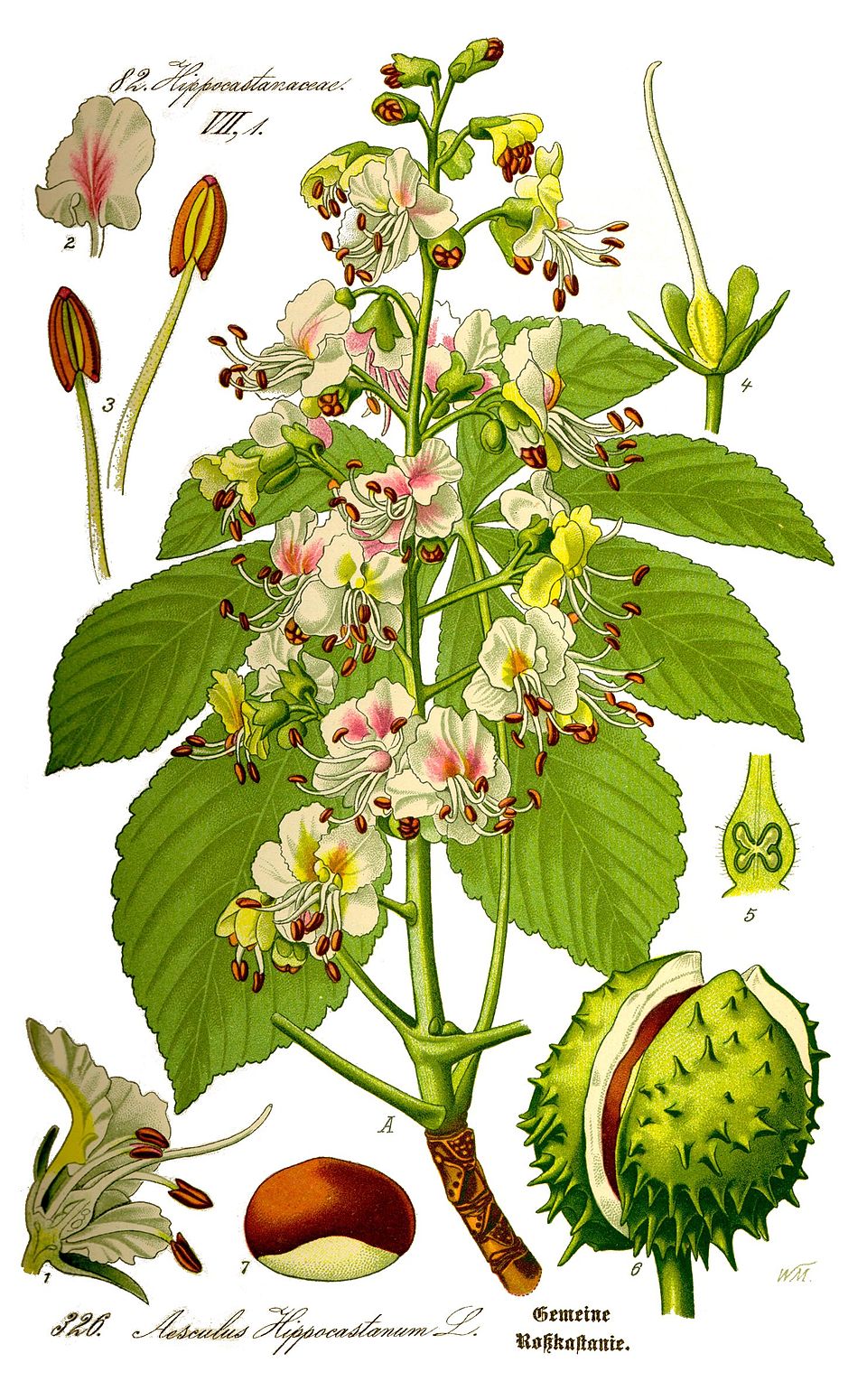
The Common Horse Chestnut is easily identified by its large, palmate leaves, typically with seven leaflets, and its upright clusters (thyrses) of white flowers adorned with a blotch that changes from yellow to red over time. Its most distinguishing feature, however, is its fruit: a large, green, often very spiny capsule that splits open to reveal one or two shiny, reddish-brown seeds, the true "horse chestnuts." Unlike the smooth or mildly spiny fruits of most American Buckeyes, the spines on *A. hippocastanum* are generally much more pronounced.
Beyond Europe, a few other *Aesculus* species are native to Asia. Notable examples include the Indian Horse Chestnut (*Aesculus indica*), found in the Himalayas, which is also a popular ornamental tree known for its late-blooming flowers and tolerance to drier conditions. These Asian species, while less commonly encountered in Western gardens than *A. hippocastanum* or some Buckeyes, further underscore the wide geographical spread and evolutionary success of the *Aesculus* genus.
Identifying and Appreciating Horse Chestnuts
Identifying different *Aesculus* species, whether a European Horse Chestnut or a native American Buckeye, can be a rewarding endeavor. Here are some practical tips for distinguishing them:
*
Leaves: All *Aesculus* species have distinctive palmate compound leaves, meaning multiple leaflets radiate from a central point like fingers from a palm. The number of leaflets can vary by species (e.g., five for Ohio Buckeye, seven for Common Horse Chestnut).
*
Flowers: Observe the color and arrangement. Buckeyes often have red, yellow, or creamy-white flowers, while the common Horse Chestnut has white flowers with a color-changing blotch. All bloom in attractive upright clusters called thyrses.
*
Fruits: This is often the easiest distinguishing feature. Examine the texture of the green outer capsule – is it smooth (e.g., Red or Yellow Buckeye), mildly spiny (e.g., Ohio Buckeye), or very spiny (e.g., Common Horse Chestnut)? The size and color of the inner seed, the "chestnut" or "buckeye," also provide clues.
*
Growth Habit: Some species are large trees, others smaller trees or shrubs. Consider the overall size and shape of the plant.
These magnificent trees offer immense ornamental value, providing dense shade, beautiful spring blossoms, and striking autumn foliage. They are often planted in parks, along streets, and in large gardens. While their inedible fruits prevent them from being a food source, their beauty and unique characteristics make them cherished components of landscapes and vital parts of their native ecosystems, supporting pollinators and providing habitat.
In conclusion, the question, "Kommen Rosskastanien Aus Amerika?" is best answered by understanding the rich diversity within the *Aesculus* genus. While the widely recognized Common Horse Chestnut (*Aesculus hippocastanum*) is native to Europe, North America proudly hosts its own array of beautiful and ecologically significant species, known as Buckeyes. From the Ohio Buckeye to the Red and Yellow Buckeyes, these native American trees are integral to their respective ecosystems, showcasing the fascinating botanical heritage of the continent. By appreciating their distinct characteristics and geographical origins, we gain a fuller understanding of the global spread and enduring appeal of these remarkable plants.